
Description
Mounjaro (Tirzepatide) Weekly Injection for Diabetes Care
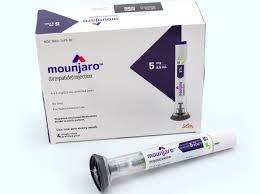
Mounjaro is a prescription weight loss injection available in the UK. It can help you lose 22.5% of your starting weight on average when used alongside a diet and exercise plan. Mounjaro treatment may be right for you if your BMI is 30 or more, or 27 or more, and you have a weight-related health condition, like high blood pressure.
Each Mounjaro pen contains 4 doses of the active ingredient tirzepatide, which reduces your appetite and makes you feel fuller for longer. Mounjaro is manufactured by Eli Lilly.
All of our advice and treatments are for your personal use only.
Mounjaro is available as part of our weight loss service. We provide:
free advice, support, & aftercare from our US doctors
hassle-free online consultation (no need to see a doctor in person)
nutritional guidance from our in-house team, weight loss trackers, and diaries to keep you on track
convenient collection at an RELIABLE PHARMACY USA – same day if approved before 3pm, or next day after 3pm – or discreet next-day delivery to your address
treatment with no hidden fees or additional costs
free needles for your injections, with sharps bins available on request
What is Mounjaro (Tirzepatide)?
Mounjaro contains tirzepatide, the first medicine to activate both the GIP and GLP-1 receptors. It was authorised in the EU in 2022, got approved in the UK in November 23, and can now be prescribed for weight loss in Ireland.
Who is eligible for Mounjaro?
You may be suitable if you:
have a BMI of 30 or above
have a BMI of 27 or above and at least one weight-related problem (this could be high blood pressure, heart disease or sleep apnoea).
You should not use it if you:
are allergic to any ingredients,
have severe digestive problems or a history of pancreatitis, have untreated diabetic eye disease,
take certain diabetes medicines (speak to your doctor about any you’re taking)
are pregnant, breastfeeding or under 18 years.
How does Mounjaro work for weight loss?
Mounjaro is a tirzepatide injection that turns on the GIP and GLP-1 switches in your gut, so you feel fuller sooner, stay satisfied longer, and burn blood sugar more efficiently. It helps to:
Reduce your appetite so you may want to eat less,
Slow your stomach emptying so you stay feeling fuller for longer
Trigger insulin release only when needed, helping you control sugar spikes that happen after a meal.
What receptors does Mounjaro affect?
Most weight-loss pens act on GLP-1 alone. Mounjaro is a dual GIP + GLP-1 agonist, and trials show this dual action can lead to greater average weight loss than GLP-1-only medicines.
How effective is Mounjaro for weight loss?
In a 72-week study, people taking mounjaro 15mg lost about 22.5% of their starting weight, while 91% lost at least 5%.
Results were best when the injection was teamed with controlled calorie intake and regular exercise.
How to use Mounjaro injections for weight loss
Pick your ‘Mounjaro day’, take the pen out of the fridge 30 minutes beforehand, and inject your stomach area, thigh or upper arm.
Key points
You can use your mounjaro pen any time of day.
Vary the exact area you inject on different days to avoid skin irritation.
Store unused pens at 2–8 °C.
Once started, a pen can be used for 21 days if kept below 30 °C.
Put used Mounjaro pens in a sharps bin and return them to your pharmacy.
Mounjaro dosage and schedule
Week Dose Purpose
1-4 2.5mg Starter dose to limit side effects
5-8 5mg Standard maintenance
9-12 7.5mg Next titration
13-16 10mg Next step if your doctor thinks your body is responding well
17-20 12.5mg Next titration
21+ 15mg Maximum dose
Your doctor may keep you at a lower step for longer if Mounjaro is causing you any side effects.
What to do if you miss a dose
Less than 4 days late? Inject as soon as you remember, then return to your usual schedule.
More than 4 days late? Skip the missed dose and inject on your next scheduled day.
Never inject two doses within three days.
Do you have to take Mounjaro forever?
Lost weight can return if you stop Mounjaro medication suddenly. Once they’ve met their goals, many people move to a maintenance dose or continue with lifestyle changes alone.
We’ll review your progress every 3–6 months and plan the next steps together.
Mounjaro side effects
As with all medications, there is a chance you may experience some side effects when taking Mounjaro®. These side effects often get better over time as your body gets used to treatment or you may only get them while your dose is being increased.
Common
(affecting up to 1 in 10 people, usually settling after a few weeks)
Uncommon or rare
(affecting up to 1 in 100 – or 1 in 1000 if rare – people, contact a doctor if severe)
Nausea, diarrhoea, constipation, indigestion, tummy pain, reduced appetite, vomiting, injection-site reactions, dizziness, hair loss Gallstones, pancreatitis (severe abdominal or back pain), injection-site pain, serious allergy, changed sense of taste, change in skin sensation
Most Mounjaro weight loss side effects appear during the first few weeks of treatment or when you step up to a higher dose. Gastro-intestinal symptoms (nausea, diarrhoea, stomach pain, vomiting) are more common and sometimes stronger after each dose increase. This is why your doctor may keep you on each step for at least four weeks, so your body can adjust. In clinical trials, these effects usually eased as people settled on a stable dose.
As for Mounjaro long term side effects, a very rare one is pancreatitis (potentially affecting fewer than 1 in 1,000 people). The risk doesn’t seem to grow over time, but you should seek urgent help if you get sudden, severe stomach or back pain.
Read the MHRA Mounjaro Patient Information Leaflet and the EMA Summary of Product Characteristics for Tirzepatide for full side effects and warnings.
Managing side effects
If you’re experiencing side effects from Mounjaro or other GLP-1 medications, it can help to:
Eat smaller, more frequent meals and stop when you feel comfortably full.
Sip fluids between meals (not during) to ease nausea.
Choose low-fat, high-fibre foods and avoid fatty or fried meals if you’re feeling sick (nauseous).
Stay well-hydrated, especially if you’re vomiting or have diarrhoea.
Call your GP or doctor if symptoms last more than a few days or feel severe.

Reviews
There are no reviews yet.